

In an era flooded with advertisements, pop-ups, and cold outreach, buyers have become remarkably good at tuning out noise. Yet some brands consistently cut through the clutter, earn trust, and convert readers into paying customers — not through louder ads, but through smarter content. Welcome to the world of content marketing, where value creation is the most powerful sales tool you have.
What Is Content Marketing?
Content marketing is a strategic approach focused on creating and distributing valuable, relevant, and consistent content to attract and retain a clearly defined audience — and, ultimately, to drive profitable customer action. Unlike traditional advertising that interrupts the consumer experience, content marketing earns attention by providing genuine utility.
Think of it this way: a banner ad tells someone to buy your software. A well-crafted blog post that solves their exact problem — for free — makes them trust you enough to buy it. That shift, from push to pull, is the fundamental power of content marketing.
The Content-to-Sales Pipeline
From a performance marketing standpoint, content is not just a branding exercise — it is a conversion engine. Here is how the pipeline works in practice:
- Awareness Stage: Blog posts, videos, and social content attract cold audiences searching for solutions. This is top-of-funnel content that answers broad questions.
- Consideration Stage: In-depth guides, case studies, comparison pages, and webinars help prospects evaluate your solution against alternatives. This is where authority is established.
- Decision Stage: Testimonials, ROI calculators, product demos, and free trials push prospects over the finish line. Content here removes final objections.
- Retention Stage: Email newsletters, tutorials, and community content keep customers engaged, reduce churn, and create upsell opportunities.
Each stage requires different content types, different tones, and different calls-to-action. A performance-driven content strategy maps content assets to each funnel stage deliberately.
Why Quality Trumps Quantity
Many businesses fall into the trap of producing high volumes of mediocre content hoping something sticks. The data tells a different story. According to multiple industry studies, a single comprehensive, well-researched piece of content consistently outperforms dozens of thin articles in both search rankings and conversion rates.
“Quality content is not about word count. It is about solving real problems better than anyone else on the internet.”
Quality content has three non-negotiable characteristics from a performance lens:
- Specificity: It speaks directly to a defined buyer persona’s exact pain point, not a generic audience.
- Depth: It goes beyond surface-level information to provide actionable insight that competitors have not covered.
- Intent Alignment: It matches the search or consumption intent of the target audience at a specific stage of their journey.
Content Types That Drive Real Sales
Not all content formats convert equally. Depending on your industry and audience behavior, certain formats will deliver stronger ROI:
- Long-Form Blog Posts (1,500+ words): Rank higher in search engines, drive sustained organic traffic, and build subject-matter authority over time.
- Case Studies: Among the highest-converting content types, case studies prove your solution works with real numbers and real outcomes.
- Video Content: Particularly effective for product demonstrations, tutorials, and brand storytelling. Video increases time-on-page and purchase confidence.
- Email Nurture Sequences: Content delivered directly to subscribers at the right intervals can dramatically increase repeat purchase rates.
- Gated Content (eBooks, Whitepapers): Used for lead generation, these premium content pieces capture contact information in exchange for high-value information.
Measuring Content’s Impact on Sales
One of the most common objections to content marketing investment is: ‘How do we know it drives revenue?’ The answer lies in measurement. Performance marketers track content ROI through multiple attribution models:
- First-Touch Attribution: Which content first brought the customer to your brand?
- Last-Touch Attribution: Which content was consumed immediately before purchase?
- Multi-Touch Attribution: How did a sequence of content assets collectively influence the buying decision?
Key metrics to track include: organic traffic growth, time on page, content-assisted conversions, lead generation from gated content, and direct revenue attributed to specific content pieces through CRM tagging.
Building a Content Strategy That Converts
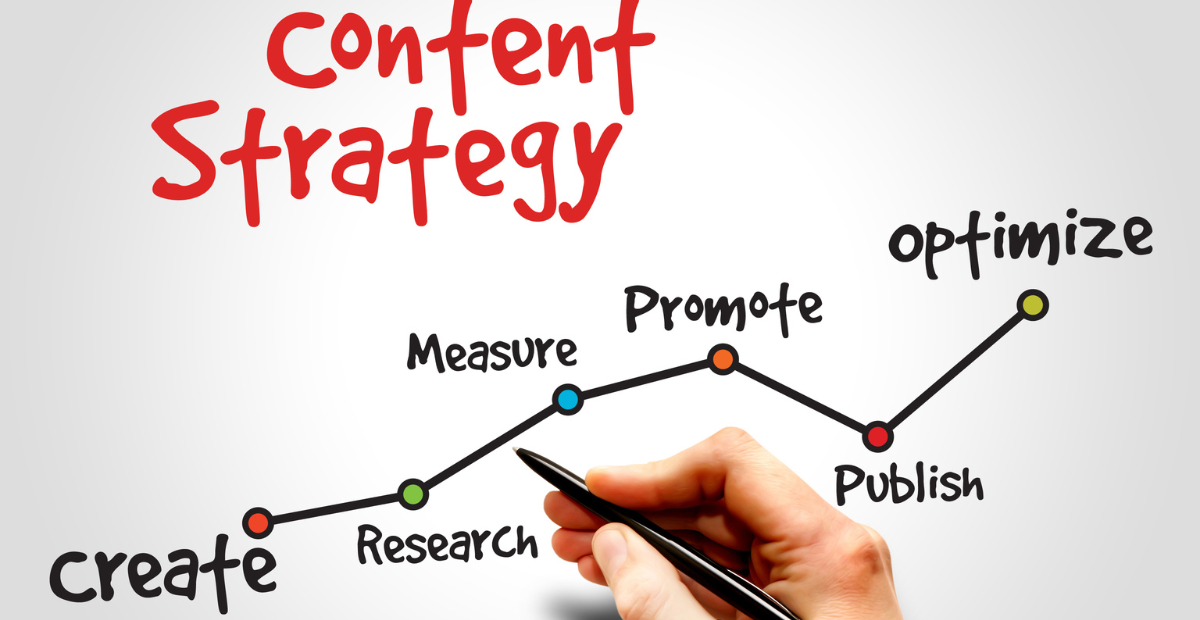
Effective content marketing is not random. It requires a structured strategy:
- Define your ICP (Ideal Customer Profile): Understand who you are writing for, what they care about, and where they consume content.
- Map content to the buyer journey: Create content for every funnel stage, not just the top.
- Conduct keyword and topic research: Use tools like SEMrush, Ahrefs, or Google Search Console to identify high-intent topics.
- Establish a consistent publishing cadence: Consistency builds audience trust and signals credibility to search engines.
- Repurpose and distribute: A single blog post can become a LinkedIn article, email newsletter, short video, and infographic — maximizing content ROI.
The Compounding ROI of Content Marketing
Unlike paid advertising that stops the moment you stop spending, quality content compounds in value over time. A blog post published today can generate traffic, leads, and revenue three years from now. This long-term compounding effect makes content marketing one of the highest-ROI channels available to businesses willing to invest consistently.
The brands winning in competitive markets are not the ones with the largest ad budgets — they are the ones with the most trusted voices in their industries. And trust is built through content.
Conclusion
Content marketing, when executed with precision and strategic intent, is one of the most powerful sales drivers available. It educates your market, builds unwavering brand trust, attracts qualified leads, and converts prospects who are already primed to buy. Start by solving your customer’s most pressing problems better than anyone else — and the sales will follow naturally.

Leave a Reply