
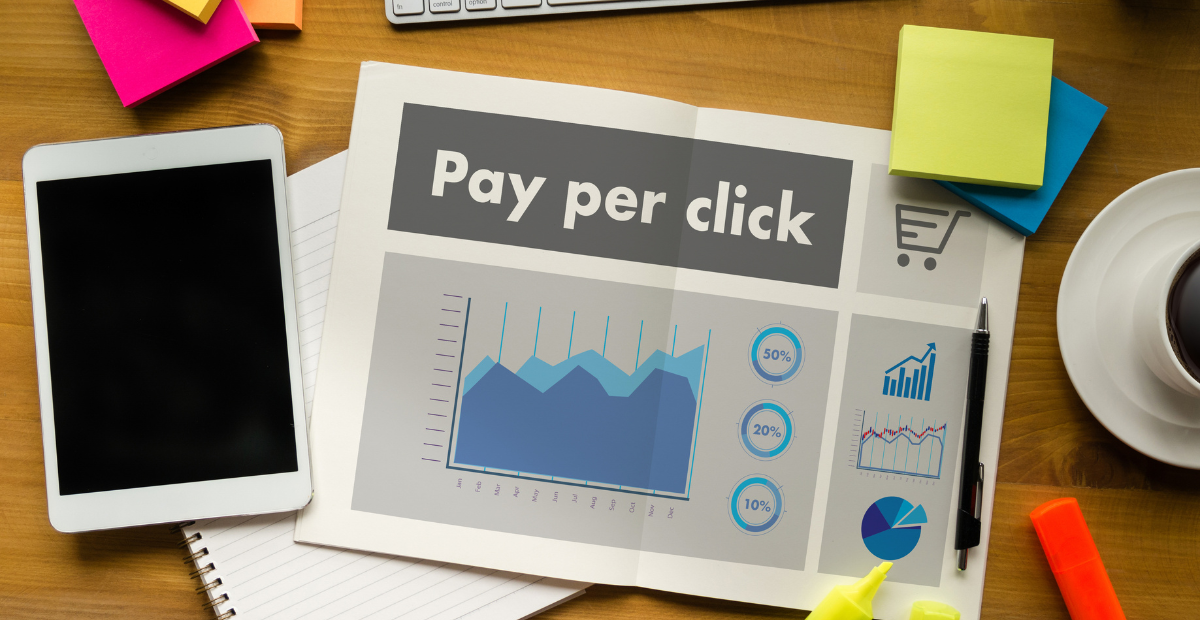
If content marketing is a slow-burn investment that compounds over years, Pay-Per-Click advertising is the accelerator that delivers results from the moment your campaign goes live. For businesses that need leads now — not in six months — PPC is the most direct, controllable, and measurable path from marketing spend to revenue. This blog explains exactly how PPC works, why it generates faster results than almost any other channel, and how to structure your campaigns to maximise speed-to-revenue.
What Is PPC Advertising?
Pay-Per-Click advertising is a model where businesses pay a fee each time a user clicks on one of their ads. Rather than earning traffic organically over time, PPC allows businesses to buy visibility at the precise moments their target audience is most likely to convert. The most widely used PPC platforms are Google Ads, Meta Ads (Facebook and Instagram), Microsoft Ads, and LinkedIn Ads.
The fundamental advantage of PPC over organic channels — SEO, content marketing, social media — is immediacy. A new Google Ads campaign can begin appearing in search results within hours of launch. A new Meta campaign can reach tens of thousands of targeted users on day one. No other digital marketing channel offers this combination of speed, targeting precision, and measurable ROI.
Why PPC Generates Leads Faster Than Any Other Channel
The speed advantage of PPC stems from several structural characteristics that no organic channel can replicate:
1. You Bypass the Waiting Period
SEO is the gold standard for long-term organic growth, but it takes months — often six to twelve months or more — to achieve meaningful rankings for competitive keywords. Social media following builds gradually. Content marketing requires audience accumulation before it generates significant traffic. PPC eliminates this waiting period entirely. Your ad appears on page one of Google or in a highly targeted social feed from day one, regardless of your domain authority or follower count.
For a new business launch, seasonal campaign, or product with a short promotional window, this immediacy is not just convenient — it is essential.
2. Targeting Is Surgical, Not Broad
Traditional advertising — TV, radio, print — reaches large audiences with significant wasted spend on irrelevant viewers. PPC targeting is precise to a degree that was impossible a decade ago:
- Google Search Ads target users by the exact keywords they type, in specific locations, on specific devices, at specific times of day.
- Meta Ads target users by age, gender, location, income range, relationship status, job title, interests, purchase behaviour, and life events.
- LinkedIn Ads target by company size, industry, seniority, job function, and specific job titles — making it the most powerful B2B PPC channel available.
- Retargeting audiences reach users who have already visited your website, viewed a specific product, or abandoned a checkout — the highest-intent audience segment available.
This surgical targeting means your budget reaches the people most likely to convert, rather than being diluted across a broad audience that includes many who will never buy.
“PPC is the only marketing channel where you can define exactly who sees your message, at exactly the right moment, and pay only when they respond.”
3. The Budget Is Fully Controllable
Unlike traditional advertising commitments — television slots, print placements, event sponsorships — PPC gives you complete real-time control over spend. You set daily budgets, maximum bids, and campaign spending caps. You can pause a campaign that is not performing, redirect budget to a campaign that is exceeding targets, and scale investment in direct proportion to demonstrated ROI.
This controllability is transformative for business decision-making. If your Google Search campaign is generating leads at £25 cost-per-lead and your sales team closes 30% of those leads at £1,200 average revenue, the math is clear — increasing budget directly increases revenue. No other channel offers this predictable, scalable relationship between spend and return.
4. Results Are Measurable to the Pound
PPC advertising provides the most granular performance data available in marketing. Every click, every conversion, every purchase, and every pound of revenue can be traced back to a specific keyword, ad creative, audience segment, or time of day. This level of attribution allows performance marketers to:
- Identify which keywords generate the highest-value leads and double down on them.
- Eliminate keywords, placements, or audiences that consume budget without converting.
- Calculate true ROAS (Return on Ad Spend) at the campaign, ad group, and keyword level.
- A/B test ad copy, landing pages, and offers to continuously improve conversion rates.
- Build predictive spend models that forecast revenue output at different investment levels.
This measurement precision is what separates PPC from brand advertising spend, where the impact on sales is real but difficult to attribute directly.
5. PPC Creates an Immediate Feedback Loop
One of the less-discussed advantages of PPC is how rapidly it generates market intelligence. Within the first two weeks of a Google Search campaign, you know exactly which search terms your target audience uses, which ad messages generate the highest click-through rates, and which landing page elements drive or kill conversions. This data is priceless — and it accelerates the optimisation of every other marketing channel you run in parallel.
Your PPC search term reports inform your SEO keyword strategy. Your highest-performing ad copy informs your email subject lines. Your best-converting landing page elements inform your website redesign. PPC is not just a lead generation channel — it is a real-time market research engine.
The Fastest PPC Strategies for Immediate Leads
If your goal is maximising speed-to-lead, these are the highest-velocity PPC tactics available:
- Google Search Campaigns with High-Intent Keywords: Target phrases with clear commercial intent — ‘buy,’ ‘hire,’ ‘best,’ ‘near me,’ ‘price,’ ‘quote.’ These terms indicate users ready to act, not merely researching.
- Call-Only Ads for Service Businesses: Google’s call-only ad format bypasses landing pages entirely — the click initiates a phone call directly. For local service businesses, this is the fastest path from ad click to qualified conversation.
- Lead Generation Forms on Meta: Meta’s native lead generation forms pre-populate with user profile data, removing friction from the sign-up process. These forms consistently deliver lower cost-per-lead than driving traffic to external landing pages.
- Retargeting Campaigns with Urgency Offers: Audiences who have already visited your site are the warmest prospects available. Retargeting them with a time-limited offer — free consultation, limited discount, bonus incentive — converts this warm intent into immediate action.
- Shopping Campaigns for eCommerce: Google Shopping ads show product image, name, price, and store directly in search results — allowing ready-to-buy users to evaluate and click in one step, dramatically shortening the conversion path.
What PPC Cannot Do Alone
PPC is extraordinarily powerful, but it is not a complete marketing strategy in isolation. It requires strong landing pages that match ad messaging and convert traffic efficiently. It requires competitive offers that give prospects a compelling reason to act. And it requires a sales or fulfilment process capable of handling the leads it generates.
Businesses that invest in PPC without optimising these downstream elements see high click costs but poor overall ROI. The channel delivers traffic — converting that traffic is the job of your value proposition, your landing page, and your sales process. Get those right first, then pour fuel on the fire with PPC investment.
Conclusion
PPC advertising is the most direct, fastest, and most measurable path from marketing investment to business revenue available to modern businesses. It bypasses the months-long lead time of organic channels, targets audiences with surgical precision, gives complete budget control, and provides data that improves every other marketing decision you make. For businesses that need leads and sales now — not eventually — PPC is not an option. It is an imperative. Build your campaigns with strategic intent, optimise relentlessly, and let the data lead the way to faster, more predictable growth.

Leave a Reply